

Never underestimate seriousness of Restless Leg Syndrome
Have you ever heard of Willis-Ekbom disease? Do you know anyone who has this disorder? We didn’t think so. And yet many of your friends and family members suffer from this extremely disruptive condition. You may occasionally experience it yourself.
You have probably heard of restless legs syndrome or RLS for short. This name is misleading because it trivializes a very serious and disturbing health problem.
People who have never experienced the uncontrollable urge to move cannot appreciate how distressing it can be. Other symptoms may include a “creepy-crawly feeling” in the legs. Terms that have been used include burning, buzzing, humming, nagging, irritating, twitching and shocking.
Stretching or moving may sometimes ease the unpleasant sensations. But RLS can make it hard to relax or sleep.
To better understand what it’s like, read how some readers have described their experiences. Geni reports: “I have used all the drugs recommended for RLS. I have had this condition all my life and I am 68. None of the drugs has helped. I had a side effect of going to sleep during the day — teaching, driving, very embarrassing and very dangerous.”
Another reader wrote: “My husband has suffered from RLS for as long as I have known him. Until several years ago, we didn’t even know it had a legitimate name. We called it ‘leg-i-tis’!
“He tried everything he could think of — calcium, magnesium, quinine, etc. His doctor told him to march around the house until it stopped. (He did this in the middle of the night since that was when it occurred.) It would start right back up when he laid down to try to sleep.”
Janine has personal experience with RLS: “I’ve had it since age 10, and nightly since age 31 or 32. I’m almost 72. It destroyed my legal career, my athletic goals and my social network. With little to no sleep amidst nights filled with gnawing, crawling, almost electric current-type pain — not mere discomfort –you withdraw from the world.”
The Food and Drug Administration has approved several medications to treat RLS, but the first step should be to check iron status. Sometimes replenishing low levels of iron can make RLS disappear. Cheryl wrote us: “I have RLS and discovered it was due to low iron. Simply taking a multivitamin with iron relieved my RLS.”
Peggy also had success with iron: “I used ropinirole for RLS for about a year. It helped somewhat, but I would lose my balance. Blood work showed that I was low in iron. Low levels of iron can cause RLS. Consequently, I have increased my daily intake of iron, mainly through food. I also take an iron supplement at bedtime along with Vitamin C because Vitamin C helps with iron absorption. Amazingly, my RLS is under control without drugs.”
No single treatment works for everyone. Some people get relief from medications such as gabapentin enacarbil, ropinirole, pramipexole and rotigotine. But such meds do have side effects. One reader on pramipexole started gambling and ended up in serious financial trouble.
Most health care professionals discount home remedies, but some readers report that lavender soap under the bottom sheet near the legs can be helpful. We need to take this condition far more seriously and recognize the negative effects it has on sleep and quality of life.
In their column, Joe and Teresa Graedon answer letters from readers. Write them in care of King Features, 300 W. 57th Street, New York, NY 10019, or email via their website: www.PeoplesPharmacy.com. Their newest book is “Top Screwups Doctors Make.”
Lifestyles
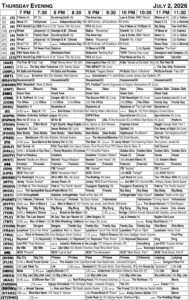
Thursday evening TV

Bridge by Steve Becker
To Your Good Health: Restarting treatment important after ONJ recovery
DEAR DR. ROACH: I’m currently in the final stages of recovering from osteonecrosis of the jaw (ONJ). Getting a ...
Dear Annie: Husband married to tube, not his wife
DEAR ANNIE: My husband is one of those people who always needs the TV on. Eating dinner? TV on. Getting dressed? TV ...
Hints from Heloise: Fun way of making magnets
DEAR HELOISE: I receive magnetic calendars from charities. After the year has ended, I carefully remove the front ...
A trip back home and memories of Father’s Day
It is Tuesday at 5:30 a.m. My husband Joe and son Benjamin left for work. Son Kevin is still sleeping. All is ...