

Is it an annual or a perennial? What suits you best?
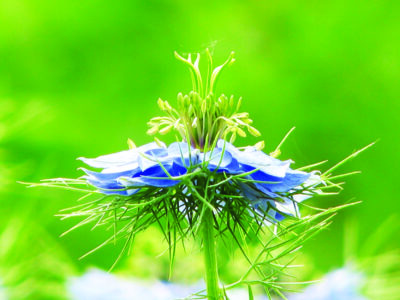
There are so many plants that many gardeners want them all. As you choose more plants throughout the growing season, consider how long they will provide beauty to your garden. Knowing and understanding plant life cycles is important and can help you continue to manage a beautiful garden. Let’s review some basics to give you some ideas for growing more in the garden.
Annual plants complete their life cycle in only one season. The word annual originates from the Latin word ‘annus’ meaning yearly. The roots, leaves, stems and flowers die after one season. The seed, which developed from the flower, remains dormant throughout the winter if it has dropped into the soil, and may survive and emerge next spring. This depends on the plant. Annuals provide a large variety of colors during the summer months, which is why many gardeners prefer them.
Their versatility is unlimited, providing bright colors, filling spaces between ground cover, and hiding spent leaves from early spring bulbs. The texture of annuals can be important, using lacy plants like nigella, small colorful begonias or impatiens, or large flowering pollinator plants such as zinnia or sunflowers.
Most annuals grow best in well-drained soil and full sun; however, there are annuals for shade. Check your garden catalog or the information tag on the plant to prevent unfortunate results and disappointment.
While we love our annuals, realize that many of these plants are perennials somewhere else in the world.
Perennials emerge, grow and bloom, possibly for many years, with proper care and spacing. Roots, leaves, stems, and flowers that grow during summer will die in the fall with the roots becoming dormant. But they will return next spring.
Thinning and spacing perennials are important for healthy growth. Most gardeners will purchase and plant an already established perennial that will bloom the same season. They create a lovely mid-size accent to the garden, adding color and interest behind shorter annuals.
Meeting the needs of each type of perennial is essential for either sun, partial sun or shade, with appropriate soil composition after performing a soil test. Examples of popular perennials are the purple coneflower, black-eyed Susan, catmint, lavender, hosta and ferns.
Biennials are plants with a life cycle of two years. The prefix “bi” originates from Latin meaning twice or two. Unless buying an already established plant, the first-season plants will have rosette leaves growing parallel to the soil from a low stem. They won’t get very tall.
With the second season’s growth, the appearance of a longer stem and flowers with seed formation will occur. After the second season is complete, the plant will die. Biennial plants are lovely while in our gardens. Some examples are foxglove, Sweet William, hollyhock and forget-me-not. Seeds from these plants can be planted in the fall for additional spring flowers.
Most of the plants mentioned above are available from seed, but they might take longer than you prefer for an established flower. Each plant is available in pots at garden centers for immediate enjoyment.
There are so many garden flowers from which to choose, and with creative changes from year to year, multiple colors and varying plant heights, we have many options to shape our gardens how we prefer, enjoying our own perfect landscape.
To learn more about plant life cycles, including more details on hardy annuals and woody plants, go to https://go.osu.edu/plantlifecycles
Kane Shipka is an Ohio State University Extension Master Gardener Volunteer in Mahoning County
Lifestyles
Rose still growing in popularity
Over the past couple of years, the sale of rose wines has outpaced reds on many retail shelves. While some trends ...
A birthday, an auction and rhubarb season
It is such a lovely morning. I love mornings like this. Son Kevin is still sleeping and the rest have left for ...

WEDNESDAY EVENING TV LISTINGS
DEAR ANNIE: Sibling rivalry doesn’t always end in childhood
DEAR ANNIE: My sister and I have always been close. We grew up sharing clothes, secrets and late-night phone calls, ...
Bridge by Steve Becker
This deal occurred in a regional pair championship in Los Angeles many years ago. The hand was played at many ...
TO YOUR GOOD HEALTH: MGUS condition often can be cured
DEAR DR. ROACH: After a routine blood test raised suspicions, my husband was diagnosed with monoclonal gammopathy ...