
HOPE event designed to link Valley residents with social services, resources
Trending
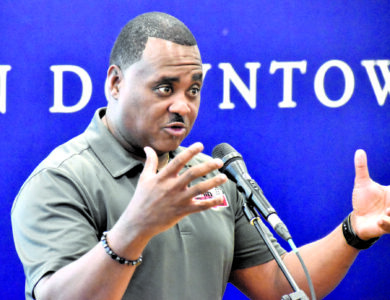
YOUNGSTOWN -- Guy Burney, executive director of Youngstown's Community Initiative to Reduce Violence, and Mayor Derrick McDowell are infusing some energy into the final preparations for this year's HOPE Conference.
The conference is the year's biggest event to provide resources for people needing help with issues such as loss of driving privileges, sober living, mental health, utilities, child issues, job training, housing and employment.
Wednesday was the final organizational meeting before the May 14 event and included CIRV and other organizations that will provide resources at the 9 a.m.to 5 p.m. event at the Covelli Centre downtown. But it was also a way to show the community how much the more than 100 city departments and county agencies support the idea of helping less privileged members of the community. The event also helps the news media disseminate information to the people they hope will attend and seek out assistance.
There is an open invitation to all to attend.
Burney said many more organizations have joined to provide resources and assistance this year, adding, "We have increased the food vouchers this year at a larger amount so that people can shop and have some produce," adding that the vouchers are an area of need.
Burney introduced McDowell, who Burney said is "so connected to this work."
McDowell started his remarks by comparing what is being done by groups such as those providing resources at the HOPE Conference to what the early industrial leaders of Youngstown did many years ago to bring life and wealth to the city.
"When they came to this community in the late 1800s, what they saw here was the opportunity to build something. They saw the resources, They saw the land, the minerals. In order to build the steel mills, you needed coal, iron ore, limestone. We needed that river. We needed the rail line. Those resources were available to our predecessors. What they did, they built with what they had" and "not with what we want," he said.
McDowell said someone at a social services meeting recently said, "We can be resource rich and yet connectivity poor, that we would argue that there is not enough here and yet I am looking at four pages of folks who will provide resources to our community at the HOPE Conference," McDowell said.
"We can be resource rich and yet connectivity poor. What you are is a connector," he said to a large room full of people in the large Covelli Centre Community Room who will be part of the HOPE Conference.
"You are an ambassador of opportunities for our community. You are and you have been given a blueprint. Those predecessors who came before you all built with what they had. And we are asking our community to come and partake of these resources. And what we are challenged with is working to ensure that our community is not just here for the resources, but they are becoming much more resourceful."
McDowell said the organizations "are providing the new materials to build.That's why we are here, that it can be a similar playbook to our predecessors who built the mills. But it's new materials that we are working with. They connected to the land, to the geography. We are connecting their ideas to opportunities."
The flyer for the HOPE Conference asks the public to "Join us for our annual resource summit dedicated to help people in recovery, re-entry (after incarceration), or in need of supportive services."
The conference's theme is "Opportunity knocks: A doorway to a brighter tomorrow."
McDowell mentioned some of the resources people can get connected with at the HOPE Conference: health care, job opportunities and upward mobility. The flyer mentions help with driver's licenses, job and family services, legal aid, health care, education and "much more."