Pollination initiative looks to help neighborhoods
YOUNGSTOWN — Operation Pollination, a new initiative led by the Rotary Club of Youngstown in collaboration with the Mahoning County Land Bank, is kicking off this month with an aim to plant wildflowers on vacant lots to beautify neighborhoods, simplify property maintenance and improve health over the long term.
The Rotary, Land Bank and their partners have identified small plots of land on each of the four sides of Youngstown to launch the effort. Volunteers will seed each of the locations, ranging from 1,200 to 2,000 square feet, with native wildflowers supported by shred mulching.
The first Operation Pollination site will be unveiled on Thursday, Earth Day, at the intersection of Ohio and Lauderdale avenues on the city’s North Side.
“Operation Pollination is about promoting plants that are friendly to pollinator species, like birds, bees and butterflies,” said Gary Davenport, project coordinator for the Land Bank. “Native wildflowers are going to be planted on each site. As the seasons change, it will be a space that is inviting and full of life.”
Some common landscaping practices, like installing plants, trees and topsoil from greenhouses, interrupt local ecology when those items are not native to the areas where they’re placed, as they won’t support local pollinators.
Operation Pollination aims to promote the use of native flowers and plants that support local native wildlife and generally require much less mowing and maintenance. Landscaping based on native plants is also associated with less watering, better soil retention, reduced use of pesticides and fertilizers and a healthier environment, which, over the long term, can improve community health.
In addition to the Land Bank and Youngstown Rotary, Operation Pollination has support from MillCreek MetroParks, First Energy and the Mahoning Soil and Water Conservation District.
“The organizations and individuals involved all have a passion for the natural world and natural land management, which is why we are joining together to execute this initiative,” Davenport said.
The project is a tie-in to a national program that seeks to support Monarch Butterfly migration and strengthen pollinator species across the continent. Given the breadth, severity, and persistence of pollinator loss, it is critical to expanding efforts to reverse these losses and restore birds, bee and butterfly populations to healthy levels, according to a news release from the land bank.
Local News
W.Va. leaders praise Trump’s investment in coal
CHARLESTON, W. Va. —- Gov. Patrick Morrisey and other West Virginia leaders are praising President Donald ...
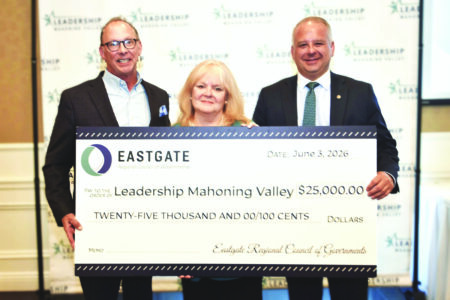
Leadership Mahoning Valley celebrates 41 new graduates

Ladies in Little Black Dresses for Literacy draws crowd
Property transfers for June 6
Property transfers recorded May 26 to 29 in Mahoning County and portions of Trumbull County: ...
‘Sharks’ unveiled for competition