To Your Good Health: Aspiration pneumonia after an adenoma
DEAR DR. ROACH: I was 47 when my first colonoscopy found a villous adenoma, and during the past 21 years, I’ve had eight or nine more without problems. But this week, I had another and wound up with aspiration pneumonia, despite having followed the prep instructions to the letter. I know my stomach was empty.
How could this happen, and what can be done to prevent it from happening again? A friend suggested that it might have been “water brash,” which is associated with gastroesophageal reflux disease (GERD). Would they let me take an acid-suppression drug before the next procedure? Maybe they’ll tilt the table so that my head is higher than my stomach and gravity would prevent aspiration? Dealing with pneumonia is no fun.
• B.J.S.
ANSWER: Aspiration pneumonia is when fluid is drawn into a person’s lungs. The most common source is the stomach because there usually aren’t enough oral secretions to cause enough inflammation or symptoms. Often, the term “aspiration pneumonitis” is used to emphasize the fact that inflammation due to acidic stomach contents is what causes the symptoms.
“Water brash” is a mixture of stomach acid and excess saliva, which occurs as a complication of GERD. Even when a person has fasted as directed, sometimes there are still enough stomach contents (12% in one study) to cause aspiration pneumonitis. Certain conditions (such as diabetes) and medications (such as opiates or GLP-1 drugs like semaglutide) can cause excessive residual stomach contents.
Deep sedation with propofol is more likely to cause aspiration. If you had propofol, changing this would be the first recommendation I have for next time.
DEAR DR. ROACH: I’m an 86-year-old woman who’s in good health. My new primary care physician wants me to get a tetanus shot, which she said is needed every 10 years. I can’t remember the last time I got one. At my age, do I need a tetanus shot? I always have a bad reaction to medicines and vaccinations.
• L.H.
ANSWER: Tetanus is called the “unforgivable” disease because there’s no reason a person should get it if they live in a country with a heath care system. Your risk of getting tetanus is small — you’d need to get exposed to tetanus from a tetanus-prone wound, such as a deep, penetrating wound from an object that was exposed to soil, which might contain tetanus spores. The risk of acquiring tetanus overall is very small — 1 in 10 million people per year — but the risk of dying from tetanus if you get it at age 86 is high. The downside of a vaccine is very small.
Lifestyles
Religion news
102 YEARS: The 102nd anniversary of New Bethel Baptist Church, 1507 Hillman St., Youngstown, where the Rev. Kenneth ...
Diocese receives national Catholic Media awards
The Catholic Diocese of Youngstown and The Catholic Echo Magazine earned 10 awards at the 2026 Catholic Media ...

The necessary components of an estate plan
DEAR ANNIE: Running out of reassurances for worried mom
DEAR ANNIE: I am an adult now with grown siblings, but it seems my mother’s anxiety is growing right along with ...
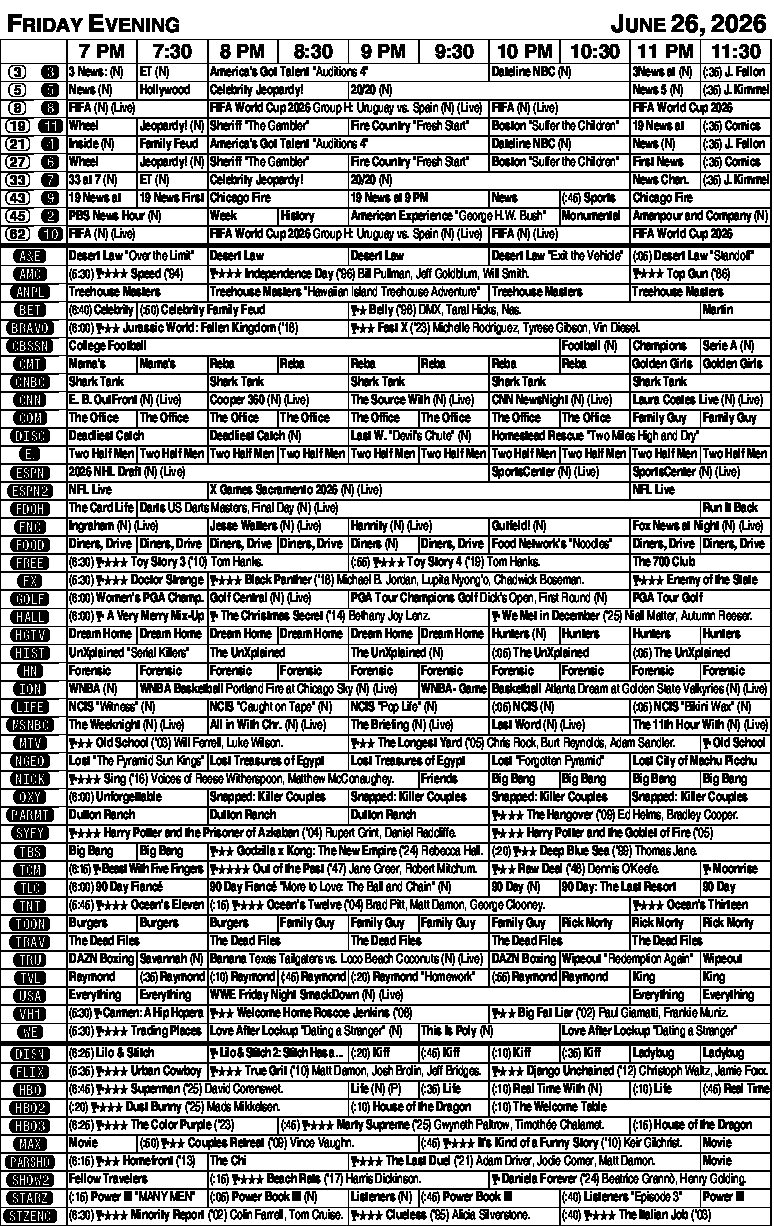
FRIDAY EVENING TV LISTINGS