

Tips for growing mountain mint
This year, I decided to grow something different in my herb garden.
In past years, I have grown varieties of mints (chocolate, mojito, apple, pineapple and spearmint) and found they could be quite aggressive if I didn’t keep them under control.
So, when I was told mountain mint was not aggressive or invasive, I thought I would try it. Let me tell you, I have not been disappointed.
So, what exactly is mountain mint and how is it different from other mints? As part of the mint family, Pycnanthemums (mountain mint) is a native plant. We have a couple of different cultivars in our pollinator gardens at the OSU Extension office in Canfield, and they are fantastic pollinator plants.
The similarity between these and other mints you might know about is the beautiful scent of the leaves. Yes, they are edible like other mints. They have a different look to them, with some cultivars having long leaves which are very slender.
Others have distinct silver-green-grayish foliage. Most flowers will look white to gray-green and some with a flat, circular flowerhead. The sometimes pink to purple flowers on these flowerheads are quite tiny. Bloomtime is July through September.
While it does not like wet feed (wet soils), mountain mint loves being planted in full sun. It can grow in some shade, but it grows slower and has less flowering. The plants will spread by rhizomes but are quite slow to do so compared to mints which are commonly grown in the herb garden. They are easily managed. I decided to plant mine in my herb garden where it gets full sun.
When doing more research, I found there are about 20 species of mountain mint. Although each has unique characteristics, all mountain mints have common traits.
They are all perennials in the mint family, but they are more closely related to bee balm and wood mint than the culinary mints we grow in our herb gardens. Just like other mints, deer and rabbits don’t like to eat them due to their fragrance.
A few of the more common cultivars include P. tenuifolium, P. muticum, P. incanum, P. flexuosum, P. pycnanthemoides, P. virginianum, and P. loomisii.
The mountain mint I am growing in my herb garden is Pycnanthemum virginianum. It has grown to about 3 feet high with long, narrow leaves, which emit a minty smell when crushed.
The stems are green and the plant grows upward in a bushy fashion. It has a small outer circle of white flowers with dots of purple that seem to bloom all summer long – and are still looking great.
I learned in my research that each flower produces four tiny black seeds, which I will try to collect before they drop so I can have even more mountain mint.
This plant can be propagated by seed, root division or cuttings. It will grow quickly once established but can be slow to grow from seed. To grow from seed, it is best to use cold stratification.
So, why grow mountain mint?
First of all, it’s a great addition to any pollinator or native garden. Secondly, it allows us to have gorgeous gardens that support pollinators and requires minimal effort.
For more information on mountain mint, visit: https://go.osu.edu/mountainmint.
Kostelic is an Ohio State University Extension Master Gardener Volunteer in Mahoning County.
Lifestyles

Make half-sour pickles with a refrigerator ferment

Wednesday evening TV listings
Cleaning up after a frightening storm
It is already 1 p.m. and I need to stay seated long enough to write this column. My list for today isn't getting ...

Michael Mina shares the recipe for an Alexandria-inspired steak sandwich recipe
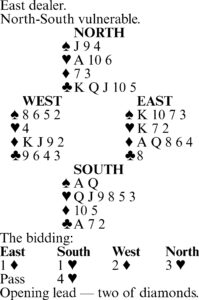
Bridge by Steve Becker
DEAR ANNIE: Daughter-in-law distances herself after baby
DEAR ANNIE: I am heartbroken over my daughter-in-law’s sudden and painful change in behavior since the birth of ...