
If you’re impatient, try growing radishes
Trending
Vegetable gardening from seed requires an abundance of patience. We wait to plant until the danger of frost is past -- generally mid-May in Northeastern Ohio -- then wait for the seeds to sprout and wait for weeks for the plants to produce fruit.
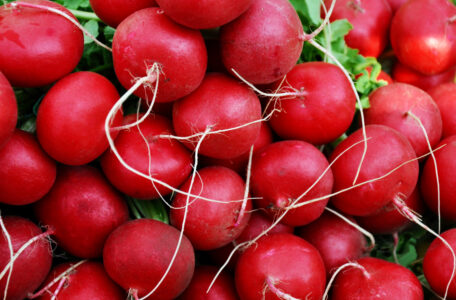
But consider the cheery red radish. This cool-weather root vegetable is the ideal starter for the impatient gardener.
Radishes, Raphanus sativus, can be planted in late March or early April, as soon as the soil temperature reaches 40 degrees. Late fall planting works well too. The seeds germinate in five to six days, and will produce ready-to-eat red globes in as little as 21 days -- most other vegetables require two to three months to mature.
Gardening authorities at the Ohio State University Extension recommend planting radish seeds in full sun, though the plants can tolerate some shade. They need moist but well-drained soil and prefer a pH of 5.8 to 6.8.
Plant radish seeds one-half inch deep, spacing them in rows 12 inches apart. When the seedlings reach 2 inches in height, it's time to thin them by cutting the green tops at the soil line so the remaining plants are 2 to 3 inches apart. The snipped greens are edible and can be tossed into a salad.
Thinning is a crucial step. Wait too long, and the plants will produce small, inedible roots.
Watch the radish plants carefully because they grow quickly and won't be tasty if left in the ground too long. When they're ready, tops of the red radish roots are visible emerging from the soil.
To harvest, pull the radishes with their green tops, wash and dry them, remove the leaves and refrigerate the radishes in an airtight bag or container. They'll keep for two to three weeks.
While radishes are relatively easy to grow, OSU Extension lists a few precautions. Pull the radishes when they reach about one inch in diameter. If allowed to grow larger, they can split or become tough and woody in texture.
If using a fertilizer, avoid those with a high percentage of nitrogen, which can cause the leafy tops to grow disproportionately large while the roots are stunted. That can also happen when the plants are not thinned properly or not getting enough sunlight.
Radishes are low in calories and provide potassium, vitamin C, folate and fiber.
They can be sliced into salads, served raw as part of a veggie tray, braised in butter as a side dish or pickled.