

The outlook after an MS diagnosis
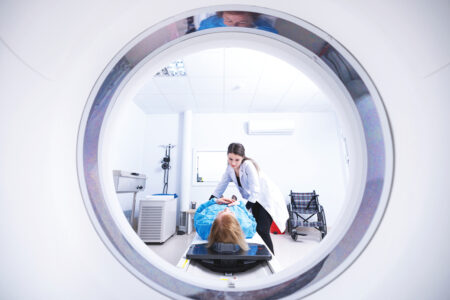
Metro Creative One can expect a normal life expectancy with MS, as only in very rare cases is MS fatal, advises the Cleveland Clinic. A care team will help a person through the MS journey to prevent complications and improve quality of life.
Multiple sclerosis (MS) is a chronic disease of the central nervous system. MS disrupts the flow of information between the brain and the body, which can cause various symptoms that adversely affect daily life. According to the National Multiple Sclerosis Society, nearly one million people are living with MS in the United States. Globally, that number is estimated to exceed 2.8 million.
If MS is a concern for you or your family, the following information can shed greater light on the illness.
What occurs with MS?
The NMSS says when a person has MS, the immune system mistakenly attacks myelin, which is the protective sheath that covers nerve fibers. This damage starts out as communication problems in the central nervous system, but can progress to permanent damage or deterioration of the nerves themselves. Current statistics show that MS is at least three times more common in women than men, suggesting that hormones or a genetic factor may come into play.
Additionally, the disease is prevalent in regions farther from the equator, leading researchers to believe there is a link between vitamin D deficiency and developing the condition.
In 2015, scientists demonstrated a clear link between low vitamin D and MS. They found that people who naturally had lower levels of vitamin D were more likely to develop MS. Researchers in Oxford also have discovered that vitamin D could affect the way a gene linked to MS behaves. However, there currently is no evidence that high vitamin D levels reduce the risk of developing MS, although the Mayo Clinic reports studies have shown that taking 400 IU or more of vitamin D a day lowers the risk of MS in women.
Types of MS
MS can manifest in different forms. The most common is Relapsing-Remitting MS (RRMS). This is characterized by defined attacks of new or increasing neurologic symptoms followed by periods of partial or complete recovery. Many RRMS cases may eventually transition to Secondary Progressive MS (SPMS), which Cedars-Sinai says is marked by a gradual, steady worsening of neurological and physical disability. A smaller percentage of people are diagnosed with Primary Progressive MS (PPMS), where symptoms worsen steadily from the start without early relapses or remissions, says the Cleveland Clinic.
Symptoms of MS
Symptoms of MS can vary widely depending on where the nerve damage occurs, but typically include:
• Fatigue
• Difficulty walking or loss of balance
• Blurred vision or pain in eye movement (optic neuritis)
• Cognitive changes
Look ahead
Doctors generally use MRI, blood tests, optical imaging of the nerves in the eye, and potentially a lumbar puncture to diagnose MS. Currently there is no cure for MS. Treatment tends to focus on disease-modifying therapies that can slow the progression of worsening symptoms. Physical therapy and medications to regulate additional symptoms also may be prescribed.
Lifestyles
The outlook after an MS diagnosis
Bridge by Steve Becker
Some of the simplest plays are, despite their simplicity, difficult to perceive. Take this case where South was in ...
Reduce stress prior to BP measurements
Q. My blood pressure was always high when it was taken at the beginning of a visit to the doctor. The second ...
Akron Children’s assessing community health needs
Through its 2025 Community Health Needs Assessment, Akron Children’s has identified mental and behavioral health, ...
Health notes
RECOVERY GROUP MEETS: Recovery International, a community self-help mental health group, will meet at 2 p.m. ...
HINTS FROM HELOISE: Read your newspaper easily on your tablet
DEAR HELOISE: To the people who prefer reading a physical newspaper, stating that it’s just not the same on their ...