Beware of difference between colds, flu
To Your Good Health
DEAR DR. ROACH: What is the difference between a cold and the flu?
• A.T.R.
ANSWER: Both colds and influenza (the “flu”) are respiratory illnesses that are caused by viruses. Influenza is caused specifically by the influenza viruses, which come in two main types (A and B). Influenza A is further broken down into different subtypes based on hemagglutinin (H) and neuraminidase (N).
H1N1 and H3N2 are currently the most-common circulating influenza A viruses. Even within these subclasses, there is strong variability among flu viruses, which is one reason why we need a new flu vaccine each year.
Many viruses cause colds. Rhinoviruses (“rhino-” is the Greek word for nose) are the most common, but corona-, parainfluenza-, entero- and respiratory syncytial viruses are all well-known causes of respiratory illnesses, which can be difficult or impossible to tell apart from any other type of cold.
Unfortunately, there are so many of these viruses, some of which change quickly and others that escape our immune system, so it is (so far) impossible to get immunity by an infection or a vaccine to all the cold viruses. Viruses are generally less severe than influenza.
It isn’t always easy to tell flu from a cold, especially in young people. Both can cause a fever, cough, runny nose and sore throat. However, the flu often causes muscle aches, which can be severe. The flu tends to cause higher fevers, more cough and worse headaches, and it often comes along suddenly. (“I got hit by the flu truck.”) Runny nose and nasal congestion tends to be worse with a cold.
Since there is specific antiviral treatment for influenza, clinicians will sometimes make decisions on whether to treat a person based on their symptoms, or they may get a lab test to look for the flu specifically. People who are at a high risk for severe flu may be recommended antiviral treatment, whereas there is not a specific antiviral treatment for colds.
It’s particularly important for people over 65 and those with any heart, lung or immune system issues to get the influenza vaccine. The optimum time to get it is now through the end of November.
Dr. Roach regrets that he is unable to answer individual letters, but will incorporate them in the column whenever possible. Readers may email questions to ToYourGoodHealth@med.cornell.edu
Lifestyles
Religion news
102 YEARS: The 102nd anniversary of New Bethel Baptist Church, 1507 Hillman St., Youngstown, where the Rev. Kenneth ...
Diocese receives national Catholic Media awards
The Catholic Diocese of Youngstown and The Catholic Echo Magazine earned 10 awards at the 2026 Catholic Media ...

The necessary components of an estate plan
DEAR ANNIE: Running out of reassurances for worried mom
DEAR ANNIE: I am an adult now with grown siblings, but it seems my mother’s anxiety is growing right along with ...
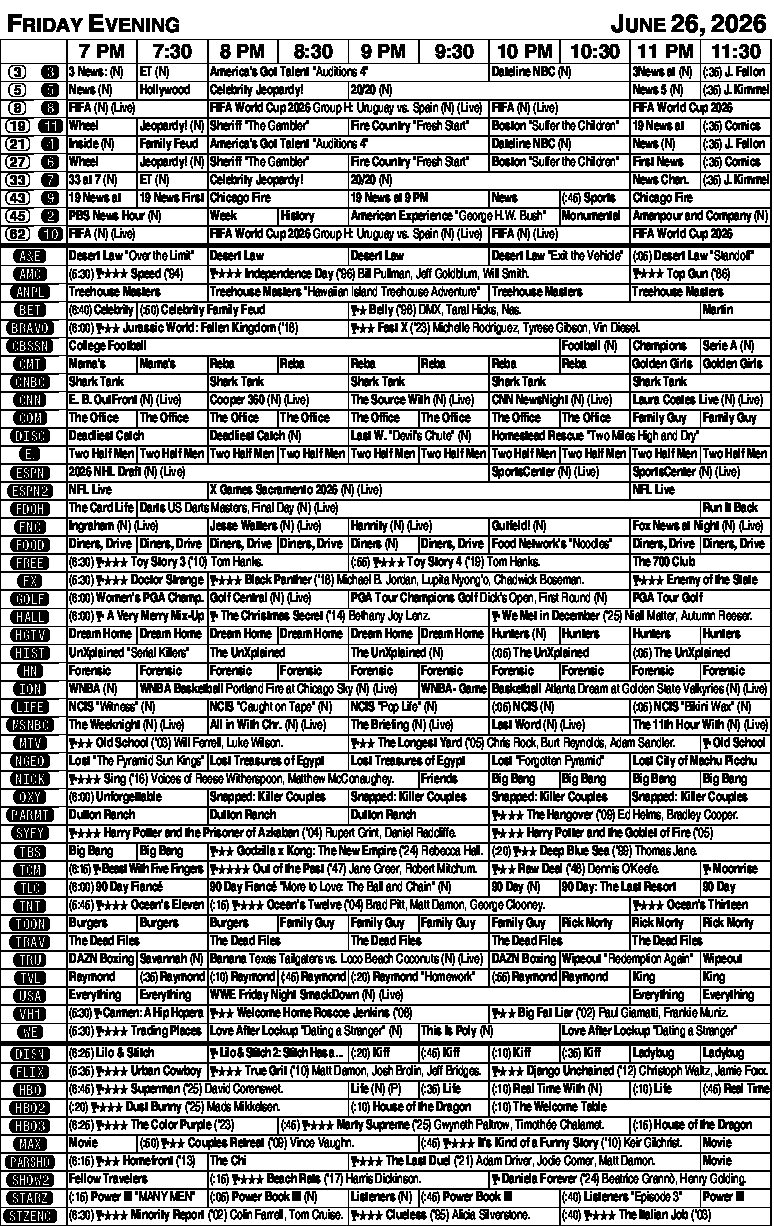
FRIDAY EVENING TV LISTINGS