

Buttonbush in the landscape attracts pollinators
Several years ago, my husband and I installed a deck in the back of our home. I wanted to plant something around it and I wanted native plantings that would be beneficial to pollinators and wildlife.
After doing a little research, I found a unique plant named Buttonbush (Cephalanthus occidentalis) that fit the bill.
Buttonbush was introduced in 1735 in the commercial industry as a pollen and nectar source for honeybees — yes, well over 200 years ago.
Buttonbush shrub prefers a moist to wet location such as near a lake, pond, or stream or in a wetland area. It requires full sun to part shade.
This native shrub can be very tall, usually growing 6 to 8 feet tall with equal width, but can be taller and wider as well.
The fragrant white flowers are round and resemble a pin cushion and appear in early July here in the Mahoning Valley. The blooms are about 1 to 1 1/2 inches in diameter and highly attractive to pollinators and butterflies. Each tiny flower in the sphere is tubular, thus allowing for easy nectar and pollen extraction.
After the flower fades, it turns into a hard ball of reddish to brown nutlets. These exist on the plant into the winter. If the buttonbush is growing near a water source, waterfowl will eat these round nuts. Otherwise, they remain on the plant and are attractive throughout the winter, giving the plant year-round interest.
In spring, this plant is very late to leaf out.
I purchased a nativar (native cultivar) named Sugar Shack. A cultivar is simply a variety chosen for various characteristics — think “cultivated variety” when you hear or see the word cultivar. It’s height and spread are only 3 to 4 feet. I have never had a problem with deer or rabbits or any diseases.
Each spring I give it a prune before new growth appears and fertilize with an acidic granular fertilizer. In extreme drought, I water deeply since they aren’t in a naturally moist location. Generally I only water once or twice per season.
The shrub is ALWAYS covered with bees and butterflies during its bloom time. Grouped together as mine are, they are lovely in full bloom. The cultivar Sugar Shack has all the same attributes as the actual native plant.
Try buttonbush for a unique native that is attractive to pollinators and butterflies. It is a lovely plant for the landscape.
For further information, go to http://go.osu.edu/buttonbush.
Shively is an Ohio State University Extension Master Gardener Volunteer in Mahoning County.
Lifestyles

Tuesday evening TV listings for July 21
Antibiotic ointment cures foot odor
Q. It was suggested that I apply a thin coat of antibacterial ointment on my feet when they get smelly. One ...
TO YOUR GOOD HEALTH: When your legs are 2 different lengths
DEAR DR ROACH: I’m an 80-year-old female who sustained a right femur fracture in February. I had surgery within ...
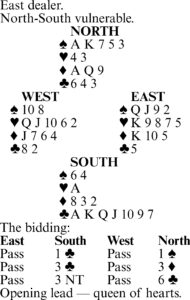
Bridge by Steve Becker for July 21
Health notes
To include or update items in the weekly Health News list, email information to tmunnell@tribtoday.com or ...
DEAR ANNIE: Kids’ sports have squashed their summer fun
DEAR ANNIE: I always pictured summer as the one time of year when our family could finally slow down. During the ...