
Toyota’s 4Runner Hybrid gets high marks
Trending
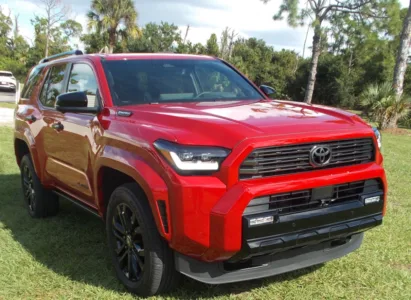
If you are expecting large fuel gains from the revamped 2026 Toyota 4Runner Hybrid, think again. What the turbocharged four-cylinder hybrid powertrain does deliver on is an impressive off-the-line boost.
Powered by an i-FORCE MAX 2.4-liter turbocharged four-cylinder engine with a 48-horsepower electric motor, the 4Runner chalks up 326 horsepower and 465 lb-ft of torque.
This rugged looking and driving mid-sized SUV has been around 42 years. Since its humble beginnings as a 1984 two-door pick-up truck with a removable fiberglass hardtop and two doors, it has grown in size with V6 and V8 gas engines to today's sixth generation mild hybrid.
The new 4Runner is near the top of Toyota's SUV sales with 92,156 sold in 2025 compared with current year sales projected to far surpass that number.
Toyota wants to make sure there is a 4Runner for all budgets and offers nine trim levels starting with the $41,570 SR5; mid-range TRD Sport and Off-Road in the low to mid $50s and top of the line TRD Pro Hybrid at $68,400.
In our independent testing, the 4Runner Hybrid reached 60 miles per hour from a dead stop in a respectable 7.7 seconds.
It competes with Jeep Grand Cherokee, Honda Passport and Nissan Pathfinder -- all unibody construction vehicles while the 4Runner retains its body on frame design allowing for improved rigidity, off-road chops and towing strength up to 6,000 pounds.
Our Hybrid Platinum Edition featured an upscale interior with heated and ventilated leather seating, lumbar support and heated second row seats that we found to be on the snug side for taller folks.
We commend the 4Runner's use of toggle switches and knobs to control most cabin features unlike some rivals that require drilling down on touchscreens to adjust everyday features.
An upgraded 14-inch multimedia screen dominates the dashboard with wireless Apple CarPlay, Android Auto and phone charging. It's pleasant surroundings rival luxury brand offerings with heads-up display and a 14-speaker JBL audio system with a resounding subwoofer and Flex portable speaker.
Outdoor enthusiasts will also enjoy a 2,400-watt AC outlet for camping equipment including refrigerator, freezers, coffee makers, power tools and even emergency backup for medical devices or electronics.
On our 200-mile journey across interstate highways, back roads and sandy beaches, the four-wheel drive 4Runner behaved with precise movement. Our tester included adaptive variable suspension that countered body roll evident in trims without this feature.
Steering was precise and brakes firm with a respectable stopping distance from 60 mph recorded at 122 feet.
Stop light acceleration is quick and controlled with plenty of passing power.
With the battery pack stored under the rear cargo area, the amount of storage is diminished with a nearly six-inch lift compared with standard two-door gas only models.
While pricier than some rivals, the 4Runner is at home on and off-road, dropping the kids at sporting events, taking it for a night on the town, loading up big box shopping trips as well as off-road prowess for the occasional need to test its ruggedness.
We enjoyed testing this vehicle compared with the plethora of vanilla wrapper SUVs on the market.
(Contact independent automotive columnist Len Ingrassia at editor@ptd.net.)