
Range Rover has unmatched value
Trending
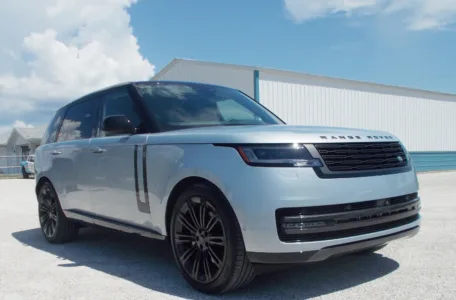
Even with one of its base models, the P400 Range Rover is elegant inside and out with sculptured lines making it instantly identifiable. The United Kingdom is proud of its set of wheels, tuned electronic air suspension and off-road capabilities.
Range Rover is no cheap date. Trim levels start in the six figure teens and work their way up to $263,000 for its SV P615. It's about power at this level -- a hand crafted 606-hp twin turbo V8 reaches 60 mph in just under four seconds.
Land Rover has been around for decades with a storied past. Years back it was the UK's response to American Jeeps. Ownership has been a hodgepodge of sorts splitting between British manufacturing and Jaguar Land Rover. Both were purchased from Ford in 2008 and later bought by Tata Motors of India, now titled under Jaguar Land Rover Limited.
While other rivals, ala BMW X7 and Mercedes-Benz GLS-Class are classier on the outside, the Range Rover stands out with its distinctive high waist, simple rounded hood and rear quarter panels.
Our tester delivered a hushed ride at highway speeds due to its acoustic laminated windshield and side glass keeping outside noise, well -- outside. Upgraded 22-inch wheels add a distinctive look with black spoked alloys.
The SE has several engine choices including the standard 3.0-liter turbocharged in-line six with a 48-volt mild hybrid developing 395-hp and 406 lb.-ft. of torque. Our P400 reached 60 mph in 5.7 seconds at our independent test track.
Available upgrades include a 4.4-liter twin turbocharged V8 with 523 ponies or a plug-in hybrid developing 542 hp. All are mated with an eight-speed automatic transmission and all-wheel drive.
There are distinct differences when comparing the Range Rover with domestics' Escalade or Navigator. The Range Rover with its rear-wheel steering shortens its turning range substantially, aiding parking maneuvers and moving through curvy roadway with little steering effort. Domestics tend to feel heavier and larger requiring more roadway.
While posh materials abound inside the SE, its overall impression is minimalist. Lacking most physical buttons and switches, the driver is reliant upon screen knowledge and drilling down to accomplish otherwise simple tasks like setting the cabin temperature or selecting navigation destinations.
On the flip side, its seats are extremely comfortable, adjustable with full-power reclining positions and easy entry and exit although we expected to see power retractable running boards.
Our tester featured a 13.7-inch digital display of engine vitals and a 13.1-inch curved infotainment touchscreen with wireless connectivity, phone charger and numerous USB ports.
An over-the-top 35-speaker Meridian sound system hits all the right notes. Our tester also included a heads-up display and second row infotainment screens to justify its high price tag.
The P400 powertrain has the longest distance with an estimated 500-miles per tankful which holds 23.8 gallons and averages 21 mpg.
Driver assist features include adaptive cruise control with steering assist, blind spot and lane keep assist, surround cameras and emergency braking that will automatically apply the brakes if it detects another car or pedestrian if the driver does not see them.
(Contact independent automotive columnist Len Ingrassia at editor@ptd.net)
2026 Range Rover SE LWB 7-seat P400
Engine: 3.0-liter mild hybrid six-cylinder, 395 hp, 406 pound per foot torque
EPA rated mileage: 19 city, 24 highway, 21 combined
MSRP: $145,000 est.
Assembled: Assembly of the P400 is in Solihull, U.K. U.S./Canadian parts content -- 5%; major source of foreign parts, United Kingdom -- 60%, Germany -- 8%; country of origin, engine -- United Kingdom, transmission -- Germany.
Crash test rating: Crash worthiness testing by the National Highway Traffic Safety Administration and The Insurance Institute for Highway Safety was not completed as of this writing.
Warranty: 4 year/50,000-mile bumper-to-bumper warranty; no complimentary scheduled maintenance.