
Fall garden cleanup: Plan now for a brighter spring
Trending
Now is the time to protect your garden, improve the soil and prepare for next year’s blooms.
Fall is a busy month for gardeners in the Mahoning Valley. As temperatures cool and leaves begin to fall, it’s time to clean up garden beds, protect plants for winter and give next spring’s garden a head start. A little effort now can prevent disease, improve the soil and set the stage for early-season color.
LEAVE SOME FOR WILDLIFE
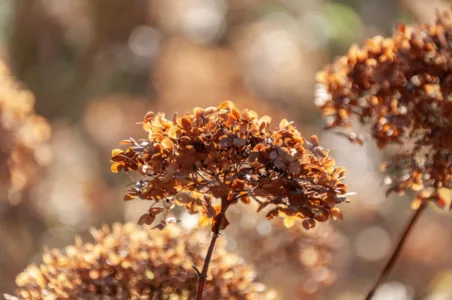
Remove diseased plants, weeds and rotting vegetables from garden beds. Diseased tomato and squash debris should not go into a home compost pile unless it reaches temperatures high enough to destroy pathogens. However, healthy perennial stems and seed heads can often remain standing, providing winter habitat for beneficial insects and food for birds.
IMPROVE YOUR SOIL
Fall is an excellent time to add finished compost. A light layer helps improve soil structure and adds organic matter. If you have an empty vegetable bed, consider planting a cover crop, such as winter rye, while there’s still time for establishment. Otherwise, cover bare soil with shredded leaves or straw to reduce erosion and protect the soil through winter. Use a soil test to determine whether lime or additional nutrients are needed.
PLANT SPRING BULBS
This is an ideal time to plant spring-flowering bulbs while the ground remains workable. Tulips, daffodils, crocuses, grape hyacinths and alliums can provide color from early spring into early summer. Plant bulbs at the depth recommended on the package, generally two to three times the bulb’s height. Choose a well-drained site, since soggy soil can cause bulbs to rot, and water after planting if the soil is dry.
SOW SEEDS FOR SPRING COLOR
Some hardy annuals can be sown in fall for earlier blooms. Larkspur, love-in-a-mist and suitable varieties of poppies are worth considering. Follow seed-packet instructions, as some seeds need light to germinate while others benefit from winter cold. Forget-me-nots and sweet William are generally more successful when established earlier, so protect existing plants rather than relying on late sowing.
PROTECT PLANTS, PREPARE EQUIPMENT
Once the soil cools, apply 2 to 3 inches of mulch around perennials and shrubs, keeping it away from plant crowns and tree trunks. Water newly planted trees and shrubs during dry spells until the ground freezes. Bring tender container plants indoors or protect them before a hard frost.
Continue mowing as needed, shred fallen leaves for compost or mulch, and clean and dry garden tools before storing them. Lawn overseeding is best done earlier in fall, so avoid late seeding if grass won’t have time to establish.
For Mahoning Valley gardeners, the goal isn’t to clear every stem or finish every task. Remove diseased material, protect bare soil, plant bulbs and leave some healthy seed heads for wildlife. Thoughtful fall gardening today can mean healthier plants and a more colorful spring tomorrow.