
Trending
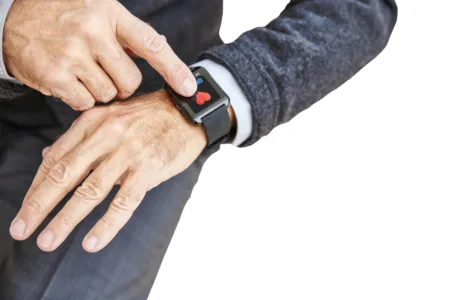
For some people, the first sign of a heart rhythm issue doesn't come from symptoms. It comes from a smartwatch notification.
As wearable devices become more sophisticated, Mercy Health experts say they are helping people identify potential heart concerns earlier, creating opportunities for evaluation and treatment before more serious complications develop.
"Heart rhythm issues don't always announce themselves with obvious symptoms," Dr. Rajan Ganesh, electrophysiologist with Mercy Health Warren Electrophysiology, said. "When a potential concern is identified early, it gives patients and providers an opportunity to take a closer look and determine what's causing it."
Many smartwatches continuously monitor heart rate and rhythm patterns throughout the day. When the device detects an irregular rhythm, it may generate an alert suggesting a potential issue. While these notifications can be valuable, they cannot determine the cause of an abnormal rhythm or whether a medical condition is present. Only diagnostic testing, such as an electrocardiogram (ECG) or longer-term cardiac monitoring, can provide answers.
"A smartwatch can tell you that something may be worth investigating, but it can't tell you why it's happening," Ganesh said. "That's where medical evaluation becomes important. We can assess symptoms, review a patient's health history and perform testing to determine what's actually going on."
One condition that may trigger an irregular rhythm alert is atrial fibrillation, commonly known as A-fib. The condition causes the upper chambers of the heart to beat irregularly and can increase the risk of blood clots and stroke. Some people experience symptoms such as heart palpitations, fatigue, shortness of breath or lightheadedness, while others may not notice any symptoms at all.
Research shows untreated A-fib can increase a person's risk of stroke by up to five times. Fortunately, treatment options ranging from medication and lifestyle modifications to minimally invasive procedures can help manage the condition and reduce the risk of complications.
"When we identify A-fib early, we have an opportunity to treat it before more serious health issues develop," Ganesh noted. "That's why taking potential warning signs seriously and seeking follow-up care can make such a meaningful difference."
Patients who have questions about heart rhythm changes or who have received smartwatch alerts are encouraged to contact their primary care provider or schedule a consultation with a cardiac specialist. Just head to mercy.com to get help finding a provider closest to you.