
The myth of the woolly bear caterpillar’s winter forecast
Trending
Each fall, as temperatures begin to cool and leaves begin to cover the ground, another familiar sign of the season appears across Ohio: woolly bear caterpillars.
These fuzzy insects often spark conversations about an enduring piece of folklore that claims they can predict the severity of the coming winter. As the tale goes, the black band on the woolly bear caterpillar will expand to predict bad winters with heavy snow and be almost nonexistent in the fall before a mild winter.
However, this is just a tall tale. It never fails that we get into an in-depth conversation each fall answering questions and explaining how this is all nothing but good fun and doesn't really mean anything. In most years, caterpillars with varying widths of that black band are found throughout much of the Midwest. But again, it's fun to talk about, yes?
According to The Ohio State University Extension entomologist Dave Shetlar, the woolly bears are the caterpillar stage of medium sized moths known as tiger moths. There are eight or more species of woolly bear caterpillars. The most common in Ohio are the banded woolly bear, the yellow woolly bear, the salt marsh caterpillar and the giant leopard moth.
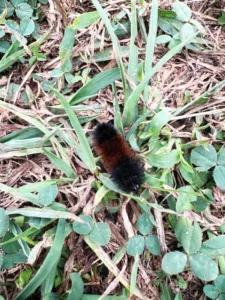
The most mistaken caterpillar for foretelling our winters is the banded woolly bear, of which the adult is the Isabella Moth. Shetlar said the coarse hairs of the banded woolly bear are black at both ends and reddish-brown in the middle.
The black bands can be wider on some caterpillars, leading some to talk about the black bands expanding. Research has debunked this legend by showing the amount of black varies with the age of the caterpillar and the moisture levels in the area where it developed.
So, why do we suddenly see these caterpillars at this time of year? October and November are the months when woolly bear caterpillars search for protected locations to overwinter. They commonly find shelter beneath leaf litter, plant debris, logs and other natural covers. Their search for overwintering sites leads them across sidewalks, roads, driveways and yards, making them much more noticeable during this time of year.
While woolly bears may not possess any special forecasting abilities, they remain one of the most beloved signs of autumn in Ohio. So, enjoy them while they're still around -- and have a good time shooting the breeze about their apparent ability to predict the winter weather.