
Hazards that compromise senior safety at home
Trending
Homes are supposed to be sanctuaries where people can be comfortable and live independently.
However, houses that are completely suitable for younger populations often harbor hidden threats that can compromise senior safety.
At Heart Home Care notes aging in place remains a top priority for more than 90 percent of older Americans, but only 10% of modern homes feature the necessary modifications to safely support aging residents.
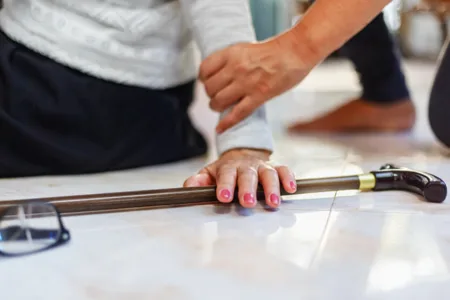
Falls pose a significant threat to seniors. Data from the Centers for Disease Control and Prevention indicates falls are the leading cause of both fatal and non-fatal injuries among adults age 65 and older. More than 14 million seniors experience a fall each year.
The Hospital for Special Surgery notes that around 60%of these incidents happen right in the home.
Knowledge of the potential hazards lurking at home may help seniors identify the areas where they need to be especially cautious.
Bathroom surfaces
Bathrooms are notorious for posing an injury risk because of slippery surfaces.
Wet tile and pooled water can be a recipe for hazardous conditions.
These conditions are made even worse in spaces that are not equipped with non-skid mats or anchored grab bars.
Lighting
Inadequate lighting can be a hazard to seniors, many of whom experience diminished vision.
Dimly lit staircases, bedrooms and dark hallways can impair spatial awareness. Without enough light, navigating the changes in flooring or obstacles can become a challenge.
Tripping hazards
Many things can cause seniors to trip and fall.
Loose area rugs, exposed electrical cords, cluttered hallways, and too much furniture can make it difficult to safely navigate a space.
Cooking hazards
The National Council on Aging says adults over 65 are 3.5 times more likely to die in residential fires than the general population.
Cooking accidents and loose clothing or items catching fire near stovetops are a fire hazard.
Seniors also may feel the cold more, and rely on space heaters or other less safe heating units to stay warm, which in turn increases the risk of a fire at home.