
CPR Anytime kits distributed in Valley
Trending
Immediate CPR can double or triple a person's chance of survival in a cardiac emergency.
That's why the American Heart Association, devoted to longer, healthier lives for all, recently distributed 70 CPR Anytime kits in Youngstown.
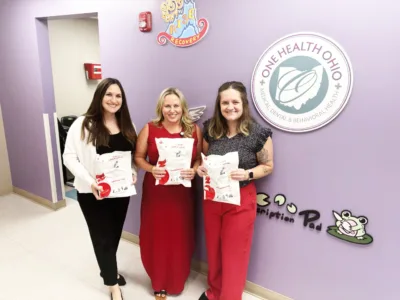
The Association delivered 35 adult and child CPR Anytime training kits and 35 infant CPR Anytime training kits to ONE Health Ohio. The kits, which were locally funded by the Youngstown Area Jewish Foundation Thomases Family Endowment, will be distributed to patients, families and new moms.
The kits will allow these community members to learn basic lifesaving skills in about 20 minutes from the comfort and privacy of their own home.
"In a heartbeat, you could be the difference," said Gabbi Roszman, community impact director for the American Heart Association-Northeast Ohio. "With these kits, we are turning everyday people into lifesavers through simple actions like learning CPR."
The American Heart Association's Nation of Lifesavers movement is working to ensure one person in every household is confident and prepared to perform CPR in a cardiac emergency. Each year in the U.S., 350,000 people experience sudden cardiac arrest outside of the hospital. Nine out of 10 will not survive. But -- if performed immediately -- CPR can double or triple their chances of survival.
In the last year, the American Heart Association has trained more than 1 million Ohioans in the lifesaving skill of CPR.
By 2030, the Association's goal is to double the survival rate of cardiac arrests.