
Bats: Our furry, flying mammals
Trending
Attending The Ohio State University's lecture on "Ohio's Bats-the Master Class," with Todd and Ann Cartner, I realized how much I did not know about them.
One important reason we should embrace bats in our community is pest control. Evening and night consumption of insects by bats is one reason to encourage bats to live near us as they help to keep insect populations in check. Their appetite for insects makes them an important part of a healthy ecosystem.
Bats are natural pollinators. Seed dispersal by bats has a positive impact on growth of vegetables and fruit, as well as cotton production in the South. Research is ongoing, focusing on human hearing loss, metabolism of aging, cardiovascular disease, bone loss and diabetes. Inflammation markers are being studied because some bats have remarkable resistance to cancer.
With more than 1,500 species of bats worldwide, 47 are found in the United States.
After a six-to-nine-week gestation, one pup is born in late May or June. With lifespans that can extend beyond 18 years, pups continue nursing through June and July and are generally able to fly by August. Weighing only a few grams, the Hoary Bat is one of the largest bats in Ohio, weighing up to 27.5 grams, while the Big Brown Bat weighs up to about 19.5 grams.
Rather than gliding, bats use powered flight, continually flapping their wings as they consume beetles, moths, flies and many other insects. Locally, the Little Brown Bat lives in a variety of habitats, often near forests, streams and wetlands, while the Eastern Red Bat prefers woodlands and forest edges.
Several bat species in Ohio are endangered, including the Northern Long-Eared Bat and Indiana Bat. Most bats produce only one or two pups each year, which can make it difficult for populations to recover from declines.
Interestingly, a flap of skin between their tail and wings catches insects during flight.
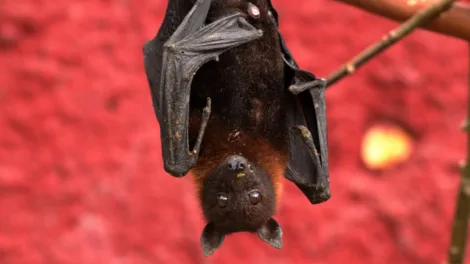
The wings of bats are actually similar to the bones in our hands, including the arms and fingers, which are extremely elongated. The thumb has a small claw that helps them both climb and grip food. The proportion of their hands, through evolution, grew to accommodate their individual needs, creating webbing that also is used for flying. This unique hand structure provides the order name "Chiroptera" from the Greek word meaning "handwing."
Roosting closely together can contribute to the spread of a fungus called White-Nose Syndrome, which was first discovered in New York in 2006. This fungus disrupts their hibernation, causing them to awaken too frequently and use up their needed fat reserves. Although it has spread to Canada, vaccine candidates are being developed and tested.
We can all become involved in Citizen Science by monitoring the emergence of bats at dusk, just by sitting and counting the numbers of bats in a given time and reporting your findings to the Ohio Division of Wildlife. Bat houses can be placed near trees and close to a natural water source.
To keep bats and other wildlife safe, avoid artificial lighting, keep cats inside your home and plant native plants like the White Oak tree or Spicebush. We can all do our part to keep our world healthy and natural.