
Trending
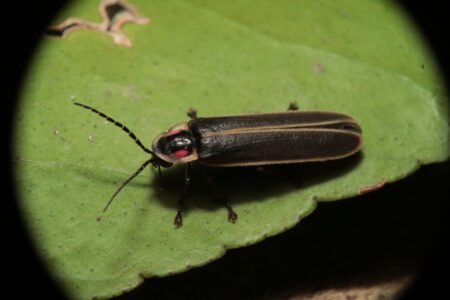
On warm summer nights in Ohio, few sights feel more familiar than fireflies blinking over lawns, gardens and fields. When those flashes seem fewer than they once were, many residents wonder whether lightning bugs are disappearing.
The answer, however, is nuanced. Ohio State University entomologists say most common lawn-dwelling fireflies are not currently at risk. But some firefly species are, and human activity can make local populations decline.
Firefly numbers, like other insects, can experience "boom and bust" population cycles, driven by weather, soil moisture and temperature. Moisture matters because much of a firefly's life happens close to the ground. Many Ohio species spend two or more years as larvae in soil, humus or leaf litter. Adult activity often increases as seasonal heat accumulates. In Ohio, firefly displays roughly occur in the 950 to 1,100 Growing Degree Day range, depending on species, location and weather.
Fireflies are more than a summer decoration. As larvae, they are predators in the soil and leaf litter. Oklahoma State University Extension says firefly larvae eat earthworms, slugs, snails and soft-bodied insects, injecting venom that paralyzes and helps dissolve their prey.
While our backyard fireflies are not currently at risk, researchers warn against complacency. A North American assessment conducted by the University of Arizona found that at least 18 of 132 assessed firefly species in the United States and Canada, about 14%, are threatened with extinction. More species may be threatened, but a lack of enough data for a full evaluation, makes assessment incomplete.
University sources point to several major pressures behind firefly declines. Habitat loss is one factor. Fireflies need moist soils, leaf litter, fields, forests and wetland edges at different stages of life. Leaving some areas of your yard less tidy creates habitat for fireflies.
Light pollution also impacts firefly numbers. Many fireflies use flashing signals to find mates. Artificial light from porch lights, landscape fixtures, windows, vehicles and flashlights can interfere with those signals.
Broad-spectrum insecticides can harm more than the target pest. Insect treatments and sprays around vegetation may harm adult fireflies and other beneficial insects.
The good news is that firefly-friendly habits are simple to implement. Turn off unnecessary outdoor lights during evening firefly activity, close curtains or blinds to reduce indoor light spilling outside.
Homeowners can also leave some autumn leaves in garden and flower beds, keep part of the yard a little wilder and mow less aggressively where practical. And avoid unnecessary insecticide use. When pesticides are needed, residents should choose the most targeted option available and follow the product label carefully.
Children can help, too, by watching fireflies gently, releasing any they catch and helping the family protect dark, damp corners of the yard. Small changes will not solve every threat facing fireflies, but they can make Ohio neighborhoods more welcoming to the insects that give summer nights their glow.