

75% of plant species need pollinators
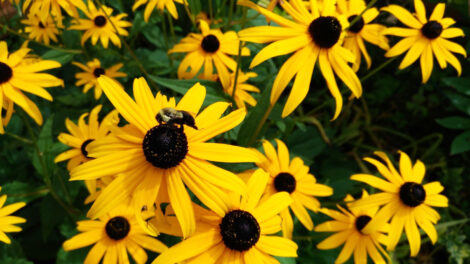
Submitted photo Sunflowers are a great way to attract pollinators to your garden.
Pollination, the movement of pollen from the anther (male) of one flower to the pistil (female) of another flower is essential for the continuation of a plant species. Attracting our pollinators, bees, birds and butterflies to our garden is not difficult, yet a decline in their population affects our food supply.
According to The Ohio State University Extension, approximately 75% of all plant species depend on pollinators, which include flies, moths, bees and even mammals that can brush against a plant flower and carry it on its fur to be deposited elsewhere.
To ensure garden soil will contain the best nutrients, a soil test from The Ohio State University Extension provides information if any amendments are needed for improvement. This will furnish accurate information to enhance the best soil for growth.
The next step is deciding where and what plants would thrive in either full or partial sun, or shade.
You may have examined garden catalogs or you may prefer professional suggestions from a garden center that gives valuable information, and talking to them can be helpful if you are just beginning your first garden.
Between vegetable plants, flowers can be placed such as sunflowers, zinnias and cosmos. Lavender, basil, dill and fennel and some herbs can also be planted between vegetables to attract insects.
Providing a shallow water source can help thirsty pollinators. To prevent drowning, place a small branch in a birdbath or bowl for climbing.
Cornell University lists various types of gardens from which to choose the placement of vegetables or flowers. For small gardens, butterfly weed, coneflowers, black-eyed susan and bee balm attract butterflies and hummingbirds. For the larger garden, pollinators frequently visit Joe Pye weed and goldenrod that bloom in fall, and native honeysuckle and phlox to name a few.
Annuals such as impatiens, fuchsia and begonia will enhance any garden. Diversity is key in planting a variety of native flowers.
Planting in “drifts” refers to grouping multiple plants of the same species in clusters or flowing patterns to mimic natural growth. These mass plantings create a strong visual impact and make it easier for pollinators to find food sources. By repeating different plant groups and choosing varieties with overlapping bloom times from spring through fall, you can maintain continuous color and support insects throughout the growing season.
In fall, best practices to create a habitat for nesting bees during the winter months is to either leave the whole spent stem, or cut the spent stems of flowers leaving up to 24 inches, as some such as mason bees will lay next year’s eggs inside to emerge in spring. These stems can remain as the emerging plant will hide last year’s stems as it grows.
Additional information can be found by calling or visiting The Ohio State University Extension.
Lifestyles
Why oaks are so important
HINTS FROM HELOISE: Always send thank-you note for gifts you receive
DEAR HELOISE: I cannot go without responding to Bob, in Santa Ana, California, who said that not thanking someone ...
Valley Grows Calendar
Here are upcoming gardening events through the Ohio State University Extension Office. For more information and a ...
DEAR ANNIE: Carrying weight of a one-sided friendship
DEAR ANNIE: I am writing about a friendship that has weighed on my heart for quite some time. I have known this ...

Monday evening TV listings