

Nature’s own calendar
Did you ever wonder what calendar nature uses?
Every spring, gardeners eagerly watch the calendar, waiting for the right moment to plant, prune or prepare for pests. But nature doesn’t follow the dates printed on our wall calendars. Instead, nature uses temperature to know where it is at in a growing season. That is where Growing Degree Days, or GDD, come in — a simple yet powerful tool that helps home gardeners work with nature.
Growing Degree Days measure how much heat has accumulated over a growing season. Plants and coldblooded insects depend on temperature to grow and develop, so their progress is driven by warmth, not by the calendar. GDD tracks this by calculating the daily average temperature and seeing if it’s been warm enough for growth to happen. Each warm day adds to the total, creating a running count that reflects real biological development.
Why does this matter to gardeners? Because the weather changes every year. A cool spring slows plant growth, while a warm one speeds it up. Relying on fixed dates can lead to planting too early, missing peak bloom times, or applying pest controls too late. GDD removes the guesswork.
One of the most valuable uses of GDD for home gardeners is pest management. Many common garden pests emerge at predictable GDD milestones. For example, Japanese beetles typically appear around 950 GDD, while bagworm caterpillars hatch between 600 and 900 GDD. Knowing when these thresholds are approaching allows gardeners to scout early and apply controls when pests are most vulnerable — often before damage becomes visible.
GDD also helps gardeners time other important tasks, such as planting vegetables, pruning ornamentals or anticipating when favorite flowers will bloom. How do you get GDD information? One of the best ways is to use Ohio State’s GDD calendar. Just put your zip code into the calendar and it will tell you what your location’s GDD is and what gardening, insect events are about to happen. You can find the calendar at https://weather.cfaes.osu.edu/gdd/.
To find out more about GDD, join us at the Boardman branch of the Public Library of Youngstown and Mahoning County for Morning with the Masters at 11 a.m. March 18. Participants will learn how to use Growing Degree Days to manage pests, and time pesticides and herbicide applications, as well as learn about Phenology, which is another way to access nature’s calendar.
Lifestyles
Nature’s own calendar
Did you ever wonder what calendar nature uses? Every spring, gardeners eagerly watch the calendar, waiting for the ...
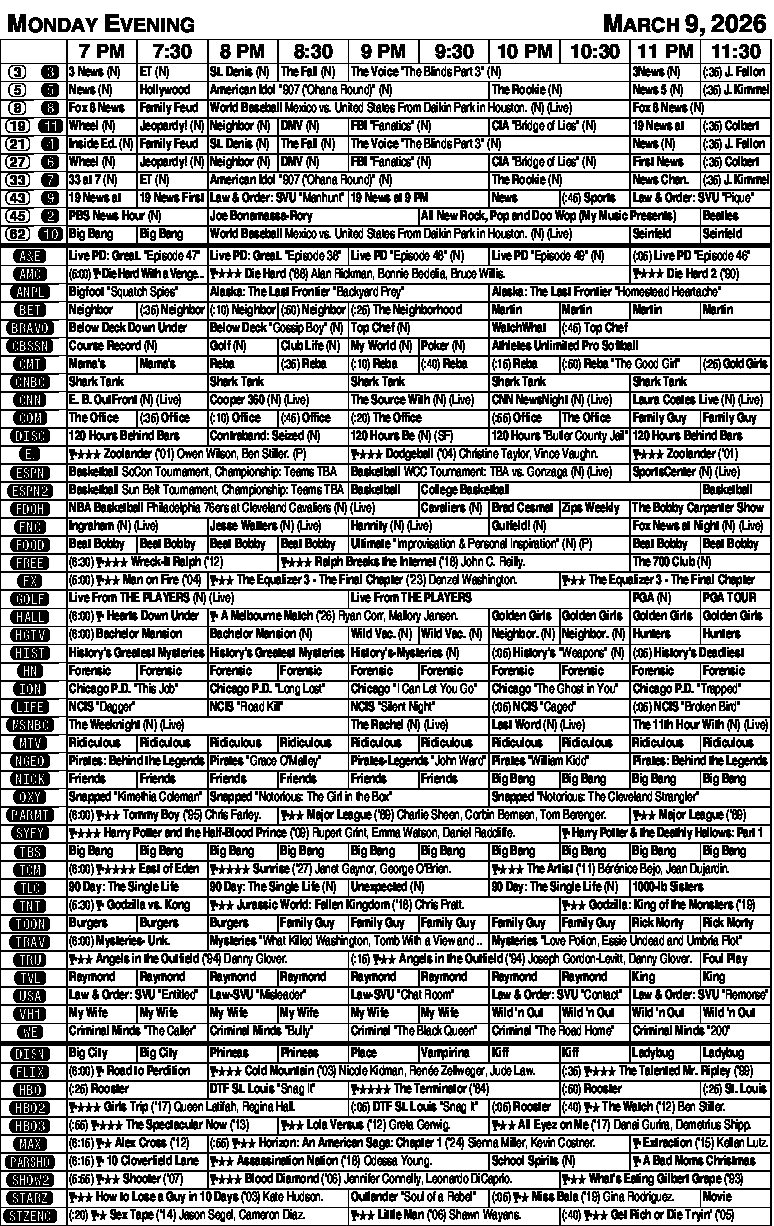
MONDAY EVENING TV LISTINGS
TO YOUR GOOD HEALTH: Explore options to treat loss of bones
DEAR DR. ROACH: At age 48, I underwent a lumpectomy, chemo and radiation for stage I breast cancer. All is good so ...
DEAR ANNIE: Forced to choose between love and pet’s loyalty
DEAR ANNIE: A friend of mine is facing a painful choice, and I can’t stop thinking about it. She has dogs she ...
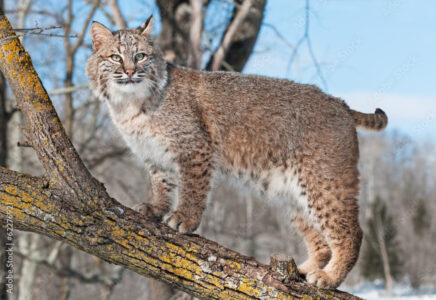
The tale of the bobcat
HINTS FROM HELOISE: Understand constraints on mobility on planes
DEAR HELOISE: The recent comment about folks grabbing the airline seat in front of them when getting out of their ...