

Preserving your Christmas poinsettia
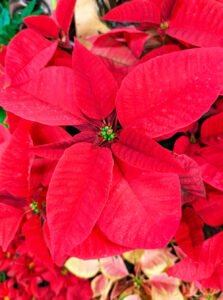
Submitted photo
After receiving a poinsettia (Euphorbia pulcherrima) for Christmas and having unintentionally killed every one I have ever owned in the past, I decided that I should at least attempt to learn how to keep this one healthy — possibly encouraging it to bloom again next Christmas.
Native to Mexico, poinsettias come in a variety of colors from red, gold and cream, with some having cream flecks on the bracts, which are modified leaves. According to Iowa State University, the true flowers are tiny yellow to green buttonlike centers called cyathia.
A large shrub that can grow 10-15 feet, Aztecs used the bracts to create a dye, and fevers were treated using the milky sap. When the Spanish conquest brought Christianity, poinsettias then became a colorful addition to the nativity. A member of the spurge family, it is not poisonous but can cause gastric problems for curious pets and the sap may cause dermatitis.
The flower’s name originated with Joel Roberts Poinsett, ambassador to Mexico from 1825 to 1829, who purchased and distributed them in the United States.
When purchasing a poinsettia, dark green foliage and bright colorful bracts should have no spots on the edges of healthy, unwilted leaves. When removing the plant’s protective sleeve, cut the sleeve rather than sliding it off, as branches are easily broken.
Feeling 1-2 inches with your finger or using a moisture meter will indicate watering needs. Drainage is important to prevent yellowed or lower leaf loss. Overwatering causes root rot and leaves will curl when the plant is too dry.
Attempting to encourage reblooming (providing it has thrived) next year, according to Iowa State University, will include TLC from December to March with a bright location, correct watering and a balanced temperature of between 60-70 degrees. From March to May, the stems should be cut back 4-6 inches from the soil and repotted, adding diluted fertilizer every two weeks.
From May to late September, to harden the plant, place it outdoors in a protected area, exposing it to longer periods of both direct sunlight and breezes. From my own experience, I never bring in an outdoor plant in my home in the fall. Tiny insects can lay eggs in the plant’s soil and hatch when brought inside — very unwelcome guests!
Finally, in mid-September, the plant should be brought indoors. From October to December, the plant will require complete darkness from 5 p.m. to 8 a.m. by placing a box over it or placing it in a closet. Keeping it well-watered near a sunny window during daylight hours should force the bracts to turn a deep color.
Whatever you choose to do with your poinsettia, it always provides color to our winter, at the perfect time when our days are darkest and shortest.
Lifestyles
Preserving your Christmas poinsettia
Bridge by Steve Becker
Nearly all the attention to the U.S. victory over Italy in the 2003 world championship was focused on the last two ...
Reflections for Martin Luther King Jr. Day
Dear Readers: Wishing you all a very happy Martin Luther King Jr. Day. Please enjoy these excerpts from one of the ...
Valley Grows calendar
Here are upcoming gardening events through the Ohio State University Extension Office. For more information and a ...
How to be responsible pet sitters
DEAR HELOISE: As a pet sitter, I read with interest the letter from Mandy, in Texas, regarding things that pet ...
Why people continue to die from pneumonia
DEAR DR. ROACH: Why do people still die of pneumonia? With all the advances that we have seen in modern medicine, ...