

TO YOUR GOOD HEALTH: Protecting kidneys is complicated
DEAR DR. ROACH: I have suffered from high blood pressure since I was a young man in my early 20s. I recently turned 70 years old. My blood pressure has been controlled by various medications. Most recently, I have been taking 20 mg of lisinopril once each day. I also take amlodipine.
Recently, my primary care physician spotted some abnormal numbers related to my kidney function. He suspects that this is related to lisinopril. As a result, he decreased my daily dosage to just 10 mg. Before he made this change, my blood pressure was running at pretty good numbers of approximately 125/60 or 125/70 mm Hg.
Since the change, my blood pressure has been running higher — about 160/70 mm Hg on average. Once I reduced the lisinopril dosage, my creatinine level decreased from 1.46 to 1.25. I also worked hard to make sure that I was well-hydrated at this time.
I am concerned about the higher blood pressure levels and the potential negative effects on my heart condition. My cardiologist is concerned as well. He wants my blood pressure to be no more than 130/60 or 130/70 mm Hg. If lisinopril is the culprit for the apparent kidney dysfunction, I’m thinking there must be an alternative blood pressure medication that can get me to the level I should be at without negatively affecting my kidney function.
Can you make any suggestions that both my primary care physician and cardiologist might want to consider?
• T.L.
ANSWER: Lisinopril works by relaxing the blood vessels so that the pressure is reduced and the heart does not have to work so hard. It’s an excellent choice for many people with high blood pressure since the side effects are generally uncommon. More importantly, lisinopril and other drugs like it in the ACE inhibitor class are very good at protecting the heart and kidney.
The kidney protection is complicated because ACE inhibitors always increase the creatinine level, making it look like they hurt the kidney. Deep inside the kidney, blood flow to the nephron (the fundamental unit of filtration) is regulated by two types of blood vessels. One brings fluid to the nephron (the afferent arteriole), and one carries it away (the efferent arteriole).
Lisinopril constricts the afferent arteriole and dilates the efferent arteriole, with the result that less fluid enters the nephron. This decreases the glomerular filtration rate and increases the creatinine level. This can be scary because a rising creatinine level sometimes signifies ongoing kidney damage.
If your doctor is uncomfortable with a higher dose of lisinopril, another option as a third agent would be a diuretic, such a hydrochlorothiazide.
Lifestyles
Does testosterone fuel heart attacks?
Q. I would like to know more about the use of testosterone replacement in men. My understanding is that a recent ...
Health notes
To include or update items in the weekly Health News list, email information to tmunnell@tribtoday.com or ...
Be with loved ones, not a screen
The Christmas holiday season is a time to step back from the busy pace of modern life and connect with our nearest ...
TO YOUR GOOD HEALTH: Protecting kidneys is complicated
DEAR DR. ROACH: I have suffered from high blood pressure since I was a young man in my early 20s. I recently turned ...
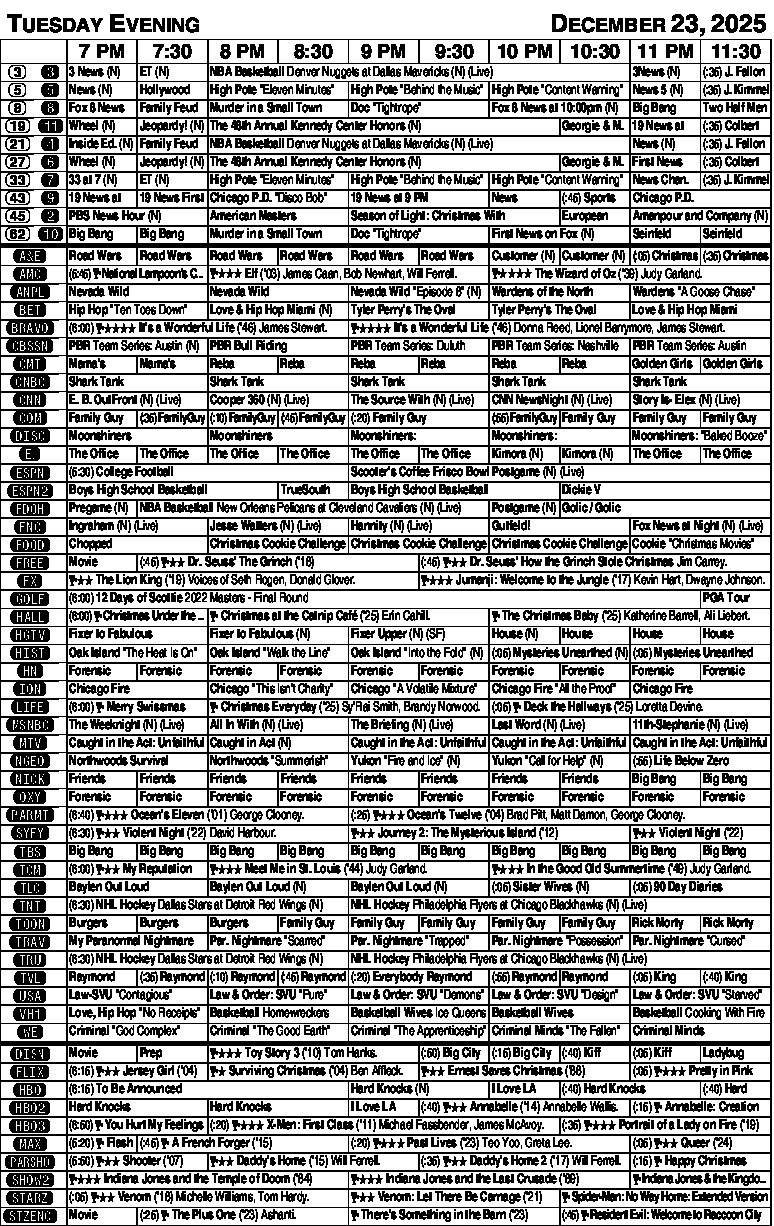
Tuesday evening TV listings
HINTS FROM HELOISE: Use your hearing aids all the time
DEAR HELOISE: For our experienced citizens who have acquired hearing aids, they shouldn’t just employ them ...