

Shapes, colors of wine bottles tell a story
Intimidated every time you look for a wine at a wine shop or in the grocery store? Over the centuries, major wine districts in France and Germany have developed unique bottles to help consumers recognize the grapes and wines grown in their regions.
Contemporary wine producers everywhere use those same colors and shapes for wines made in traditional European styles. This means a bit of bottle savvy can help a shopper select a perfect wine from among the myriads of options offered on a typical retail shelf.
Dark green bottles with high, rounded shoulders originated in Bordeaux. Around the world, they’re used for cabernet sauvignons, merlots and complex red blends.
Clear, aka flint, bottles with the high Bordeaux shoulders contain luscious, sweet sauternes, fine sauvignon blancs and wines of similar styles. Clear glass in many shapes is often used to show off the lovely colors of blush or rose wines.
Burgundy, known for both great whites and spectacular reds, established bottles with sloping shoulders as its standard shape. White wines were placed in lighter green bottles; red wines into darker green bottles. Expect to find chardonnays — white — and pinot noirs — red — in bottles with Burgundy sloping sides.
Wines in a Germanic style are placed in tall, very thin glass, aka hock bottles. The green version originated in the Rhine and Alsace districts. Brown bottles are traditionally used in the Mosel region. Varietals like riesling, gewurztraminer and stylistically similar hybrids like vidal blanc, are often found in these graceful bottles.
Champagne (French) and sparkling wine (U.S.) producers of bubbly wines use especially thick glass to contain the tremendous pressure created by the secondary fermentation that produces the tiny, trapped bubbles. Some bottles feature a concave bottom, called a punt or kick. This unique characteristic dates back to the time when bottles were all hand blown. The indentation added strength to the bottle’s body, helped to ensure that the bottle would stand straight after hand blowing and, for the wines with all of that dissolved carbon dioxide, the punt provided some protection against breakage caused by trapped pressure. Modern, mass produced punt bottles are more costly than plain glass so winemakers often use them for their most prized varietals.
Table wines are generally placed in 750 ml bottles and contain about five glasses of wine. Ice wines — those rich, very sweet dessert wines — on the other hand, are usually presented in extremely tall, elegant and artfully painted bottles that contain only 375 ml of wine. Because they command prices double and triple that of regular varietals, little expense is spared when creating ice wine bottles. On a shelf they attract considerable attention; even empty bottles become collectible.
Wine bottles in and of themselves tell a story about the wine contained within. Knowing a little about the history of bottle shapes and colors helps a contemporary shopper make a good decision when selecting a wine for any occasion.
To talk about all things wine, email Donniella at dwinchell@OhioWines.org .
Lifestyles
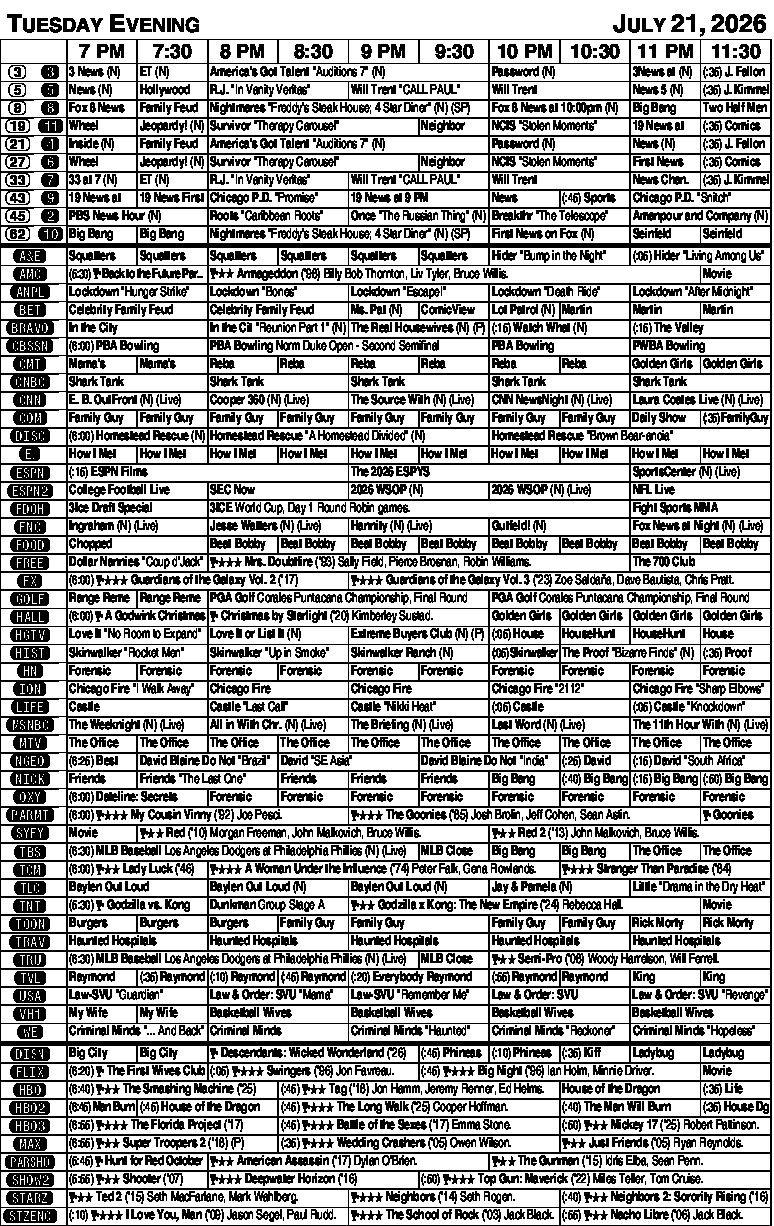
Tuesday evening TV listings for July 21
Antibiotic ointment cures foot odor
Q. It was suggested that I apply a thin coat of antibacterial ointment on my feet when they get smelly. One ...
TO YOUR GOOD HEALTH: When your legs are 2 different lengths
DEAR DR ROACH: I’m an 80-year-old female who sustained a right femur fracture in February. I had surgery within ...
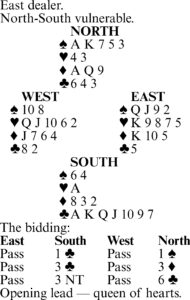
Bridge by Steve Becker for July 21
Health notes
To include or update items in the weekly Health News list, email information to tmunnell@tribtoday.com or ...
DEAR ANNIE: Kids’ sports have squashed their summer fun
DEAR ANNIE: I always pictured summer as the one time of year when our family could finally slow down. During the ...