

Blooming chart: Make a list for better visuals and pollination
Make a list for better visuals and pollination
Every gardener wants year-round interest in the landscape. Annuals are tough work but provide season long color. Spring blooming shrubs are nice, but they sure don’t last long. The solution? Make a plan.
Don’t just expect year-round interest — make it happen.
All it takes is one piece of paper and your understanding of what blooms in your landscape, when and how long.
When reviewing a blooming chart for the garden, limit the list to perennials, shrubs and trees. These are the permanent additions to the landscape which will have some kind of visual impact through the year.
And don’t let the word blooming fool you. Try to think of blooming as visual impact. Don’t simply relate blooming to the flowering aspect of a plant. This visual impact could include ornamental effects, such as branching habit, texture, bark color, scent, foliage or fruit that stays on the plant into the winter months.
The purpose of a blooming chart is to take inventory of what is already in the landscape to ensure year-round enjoyment of the tireless efforts during the busiest times of the year. Once inventory is taken, blank spots are easily identified and the search can begin to fill those spots with visual impact in your landscape. It’s a good excuse to head to the local garden center when you are finished.
Adding plants that attract pollinators is a good way to start filling in the blank spots for your chart. These plants are essential, especially in August and September, when pollen sources are limited in some areas.
Using Ohio State University’s phenology chart, you can check your bloom times based on growing degree days. Using this, you can identify the part of late summer with no blooms and choose plants that bloom within that time. Just search “Ohio State Phenology” or “Ohio State Growing Degree Day.” You’ll find the site that outlines bloom order of many perennial plants/trees in Ohio.
Plants for pollinators information can be found at u.osu.edu/beelab.
An often underutilized group of plants is the flowering shrubs, especially hydrangeas, which have extended blooming periods. Oakleaf hydrangeas even have beautiful red color in the fall and cinnamon colored bark that peels away, showing off season interest.
Some plants are worth having, even though the bloom time is short, but location is more important. Plants with a shorter period of visual interest should be planted so they can be seen on the way out the door or by the guests traveling up the driveway. Scented plants should be placed so the scent is spread when walking by or through the plants. There are many more examples to be taken into consideration.
The best way to start is to use a clipboard and hang it the garden shed. Fill it out as best as you can now. Update it as the year passes. Add plants to the chart when you buy them and keep the tag for references to bloom time and other visual impacts. Do remember, though, that planting zones may affect the exact time it may be interesting in your garden area.
To get started with perennial blooms dates, go to http://go.osu.edu/bloomdates
Barrett is the Ohio State University Extension educator for agriculture and natural resources in Mahoning County.
Lifestyles
Hints from Heloise: Figuring out why linens get grey
DEAR HELOISE: My mother always complained that her first daughter-in-law, Sally, did not know how to do laundry. ...
Language classes are a good exercise
TOKYO — I speak decent Spanish, picked up working several decades ago as a news and sports reporter in Spain, ...
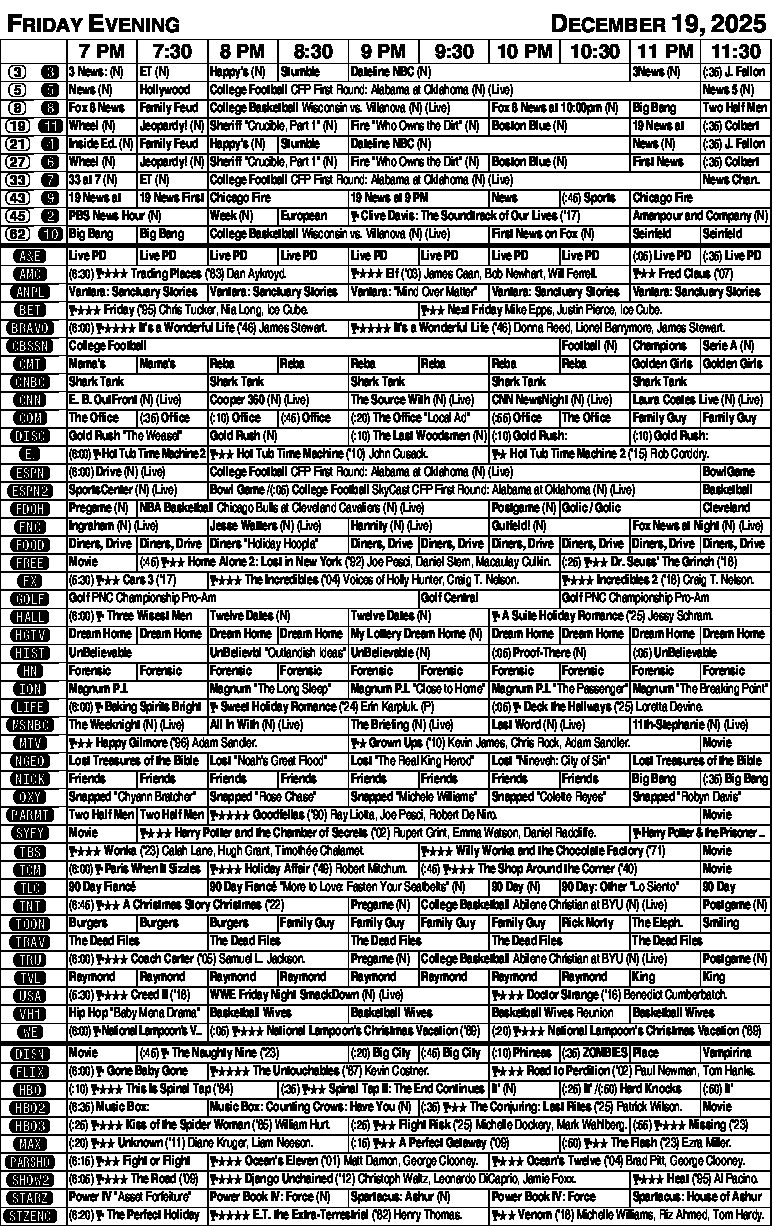
Friday evening TV
To Your Good Health: Weighing surgery types for hernias
DEAR DR. ROACH: I am a 70-year-old male with a large inguinal hernia on the right side. I have consulted two ...
Dear Annie: A note on coping with bullies and hardships
DEAR ANNIE: This letter describes my life experiences with bullies and how I managed to succeed. I was a scrawny, ...
Long-term NSAID use can often lead to stomach damage
DEAR DR. ROACH: I am a woman in my 80s. Is it safe to take 400 mg of ibuprofen a day? I take it with breakfast. I ...