
Emissions brings music fans to Youngstown
Trending
WHAT: Emissions from the Monolith
WHEN: Oct. 8 to 11
WHERE: Westside Bowl, 2617 Mahoning Ave., Youngstown
HOW MUCH: Tickets are $54.38 Oct. 8 or 9 and $75.63 Oct. 10 or 11 and $203.13 for a four-day pass and are available through Eventbrite.
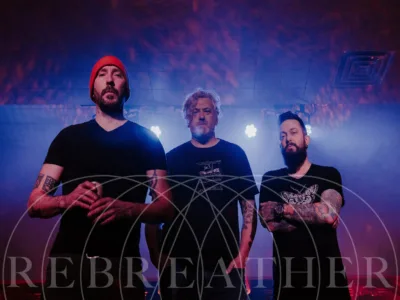
FESTIVAL LINEUP: Voivod, Cavity, Bat, Generation of Vipers, Fistula and Lo-Pan on Oct. 8; Kowloon Walled City, Great Falls, Telekinetic Yeti, The Brought Low, Horseburner and Shun on Oct. 9; Torche, Rwake, Solace, Stinking Lizaveta, Rebreather, Deadbird, Disengage, Sunrot, Edhochuli and O.I.L. on Oct. 10; and Weedeater, Bongzilla, Today Is the Day, Minsk, Howling Giant, Thunderchief, Axioma, Winds of Neptune, Faerie Ring and Lake Lake on Oct. 11.
Bands such as Voivid, Kowloon Walled City, Torche and Weedeater aren't household names, at least not in most households.
They don't sell records like Taylor Swift, but those acts and others who fall under the banner of thrash metal, stoner rock, sludge metal and adjacent sounds have fiercely loyal fan bases who are willing to travel to see their favorite performers and, just as important, be surrounded by like-minded music listeners.
For the first decade of the 2000s, Youngstown and the concert venue Nyabinghi was a destination for those bands and fans with its Emissions from the Monolith festival. Founded by Nyabinghi owner Greg Barratt, there were seven Emissions festivals locally from 2000 to 2006, and the last festival was 2007 in Austin, Texas.
The Monolith starts re-emitting Oct. 8 when the festival returns as a four-day event at Westside Bowl.
"We've sold tickets in over 30 states and five countries, and that’s just not something that regularly happens in Youngstown," Westside Bowl co-owner Nate Offerdahl said.
While Offerdahl reached out to some of the acts that have played Westside Bowl in recent years, Barratt primarily handled the booking of the bands and Offerdahl focused on the venue logistics, finding the best way to use the space to create a comfortable festival experience for concertgoers and performers alike.
"It started out really easy because a lot of the bands that I’d worked with before were all absolutely yes, (we're in)," Barratt said. "Finishing it out was a challenge because you’re fighting routing and location and financial stuff and trying to make it all work. It’s always a little bit of a struggle."
One of the assets of Westside Bowl is that it has two performance spaces, the main stage in the bowling alley and a smaller space downstairs known as the Trophy Room. While many festivals use alternating stages, Barratt wanted all of the acts to play on the same stage, which is how Emissions was at Nyabinghi.
"It (two stages) is not egalitarian," Barratt said. "Who plays which stage (implies) levels of popularity, which I don't want to do. I want everyone to play on the same stage. That’s why I try to make things alphabetical and not in order by band popularity and that kind of thing. Every band, they’re all working hard."
The Trophy Room will be used as a place where attendees can find a seat and take a break from the music upstairs.
At the beginning of the week, about 80 percent of the tickets had been sold with most buyers opting for four-day passes rather than single-day tickets. Offerdahl said he expects the event to be sold out before the first band takes the stage Oct. 8.
Barratt said he missed the days before social media, when announcing a lineup and printing a poster was all that was required, instead of the non-stop promotion necessary to capture attention today, but he's encouraged by the response.
"There’s a lot of trust in the curation," Barratt said. "They know that you’re going to book quality acts and bands they want to see versus just random acts. You try to stay on point with your genre and with your style of music, and I think it’s a friendly environment."
Offerdahl attended several Emissions fests long before he was a venue owner, and he loved the vibe of the event as much as the music.
"It was, in an adult way, a very family atmosphere," Offerdahl said. "It was a lot of people from all around the country, everyone gathering around a similar style of music, and there was never really any issues. It was always a lot of fun. It’s very much like going to a family reunion. Music festivals in general, but this one specifically, that’s always been the best part of it. The bands are always great. Greg's got impeccable taste in music, but getting to see all the other people makes it great too.
"The other thing that was always cool is that there was never a green room or a VIP area. Everyone was together, no one was separate, and we’re trying to recreate that as best we can too. We’re encouraging the bands not to hang in their bus or not hang in their van, but just to hang out with the people, mingle, and hopefully we get the same thing this time around."